
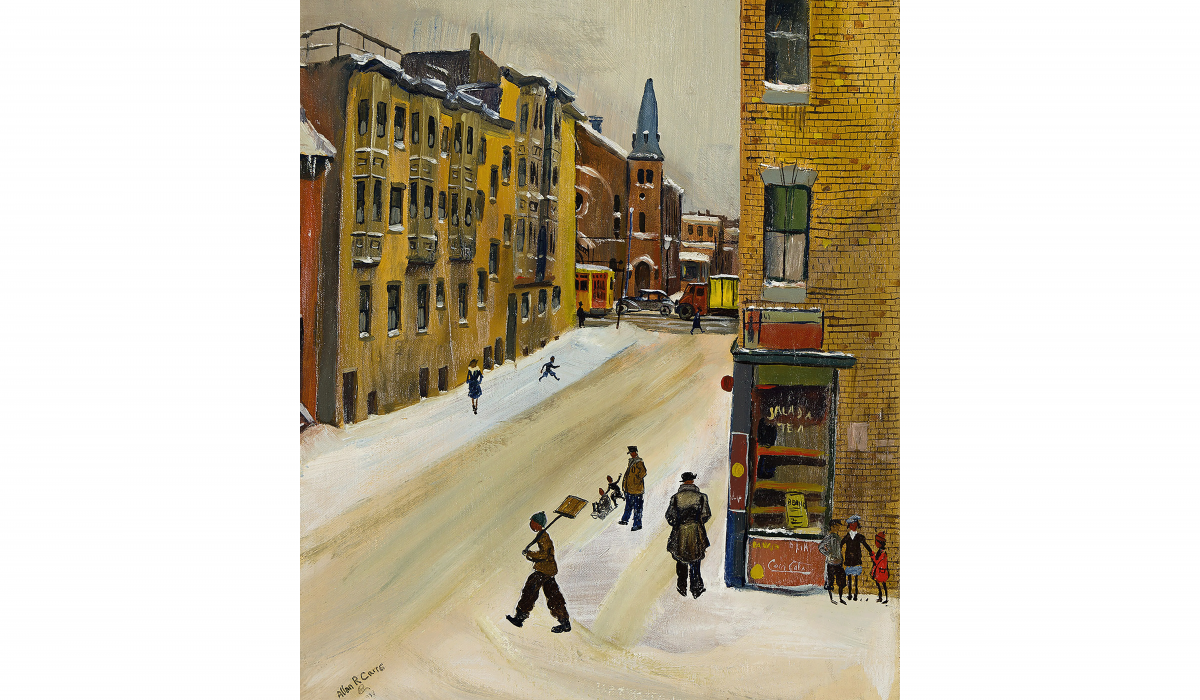
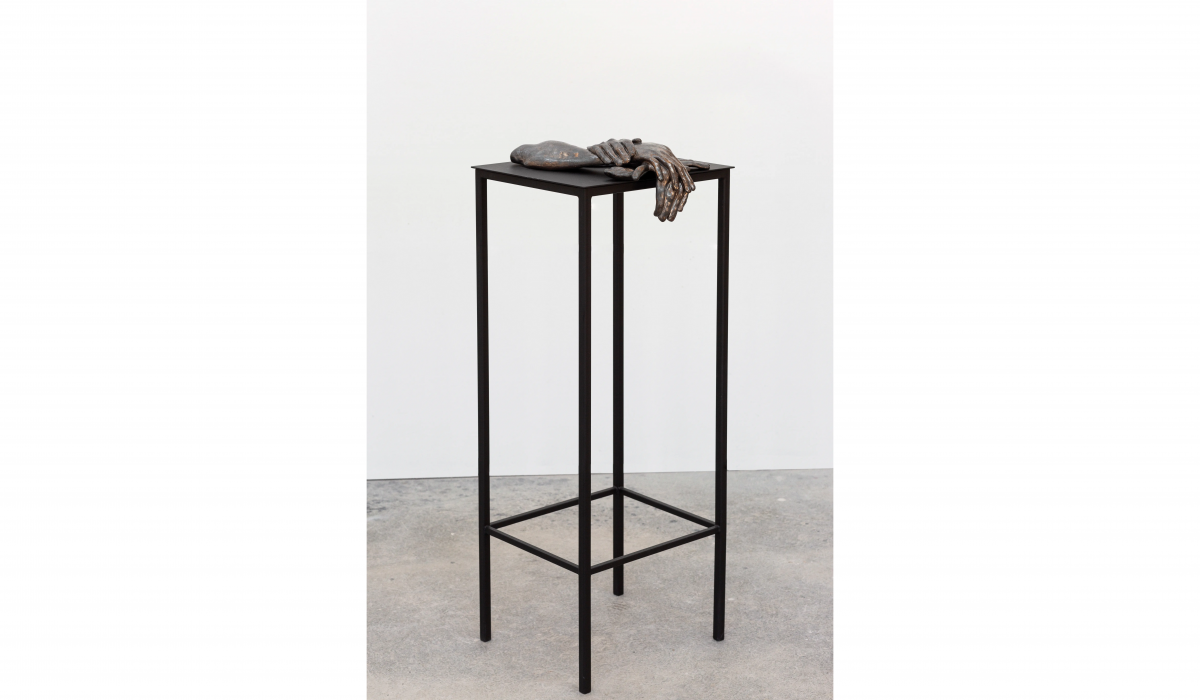
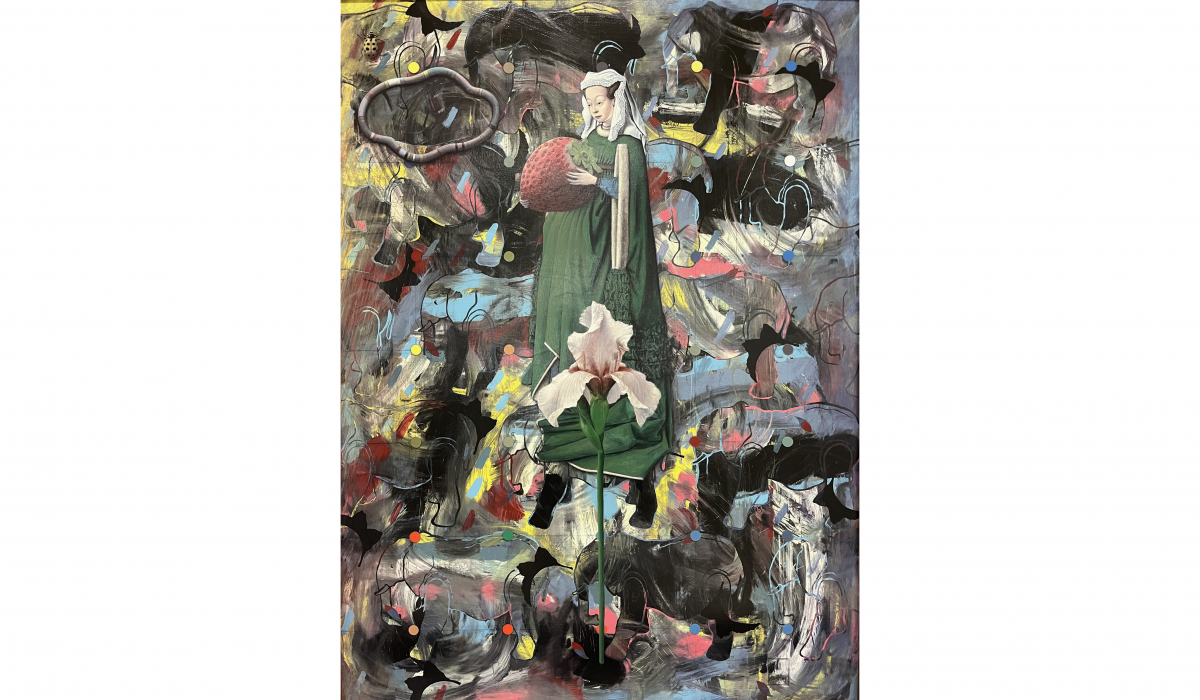
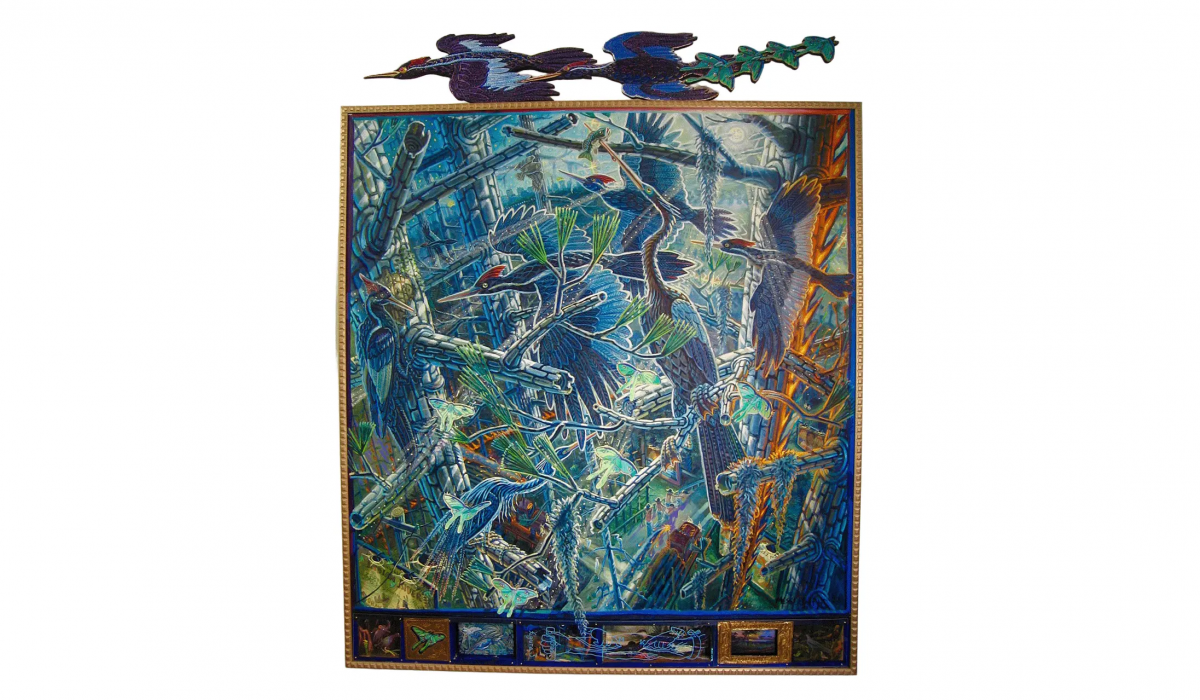

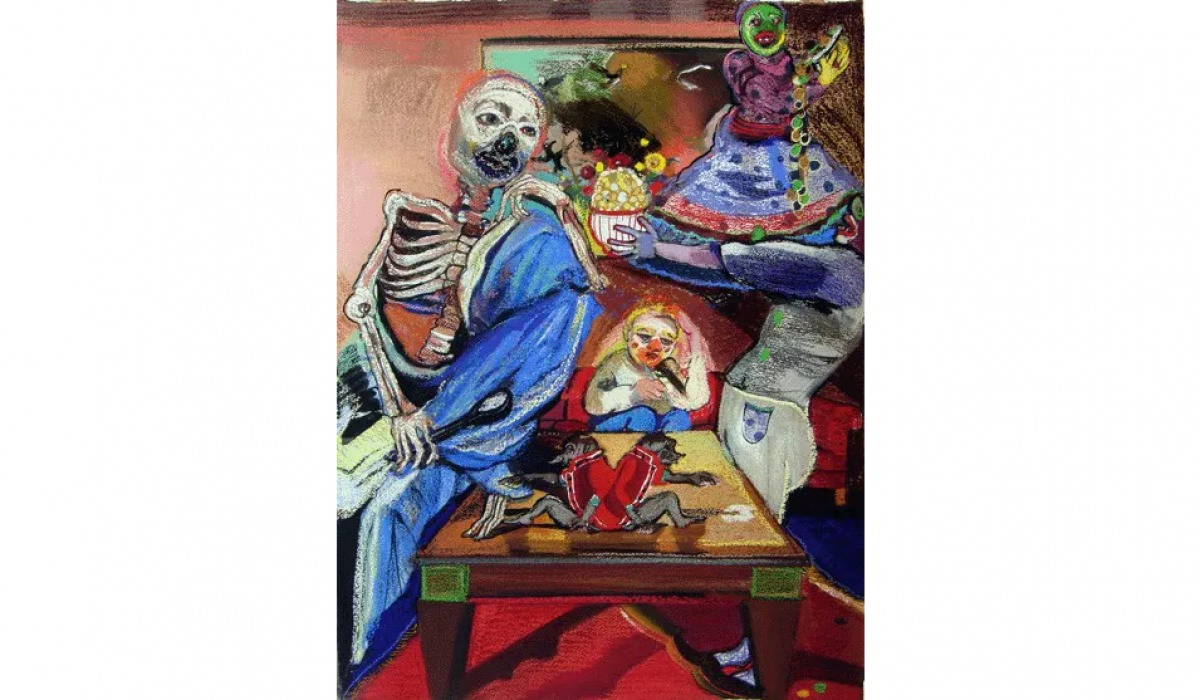
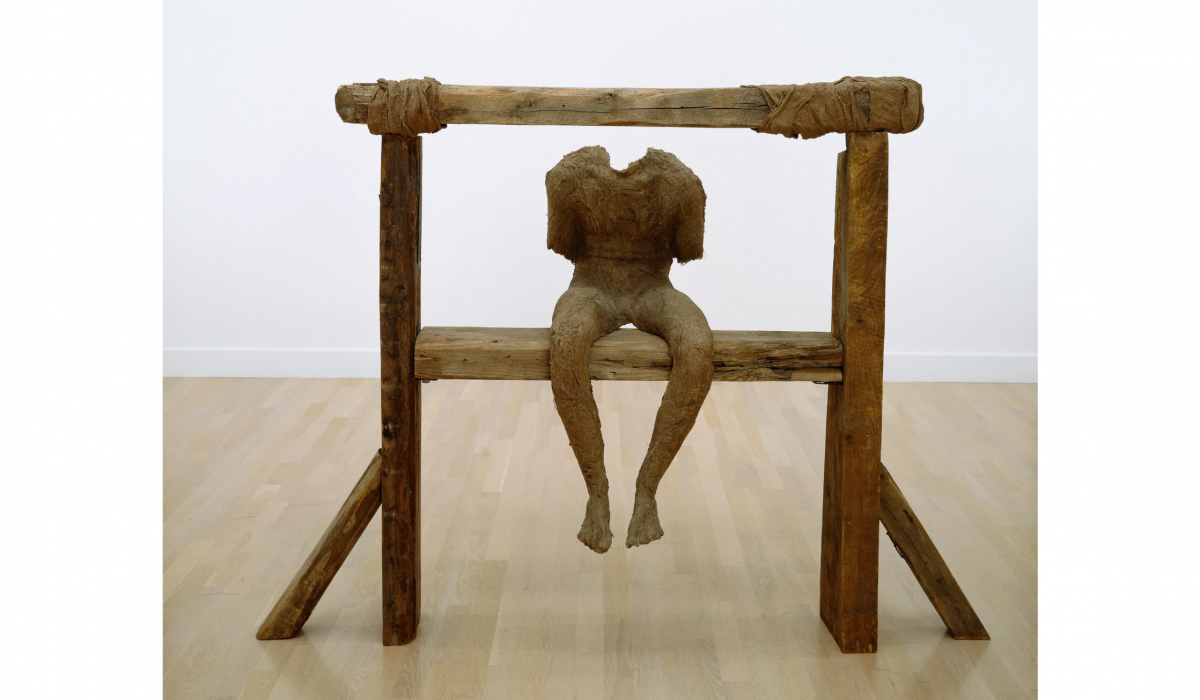
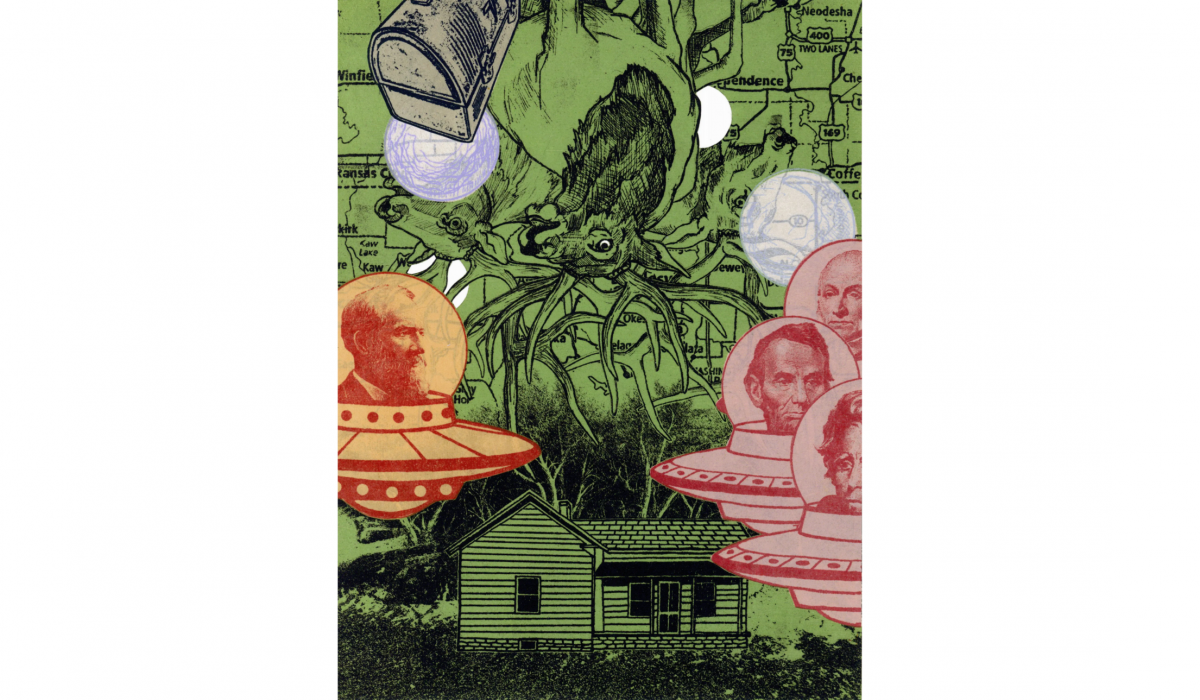
Body and Soul, Humanist Visual Languages explores the ways art can communicate experiences—both tangible and intangible. Through their choice of subject matter, technique, and style, artists create visual languages that describe the world around us while also reaching inward, offering insight into our emotional and psychological states. In doing so, they open spaces for reflection, empathy, and dialogue, allowing individuals to see their own experiences in relation to those of others.
Within academia, the visual arts are part of the humanities, a broad field that includes disciplines such as history, literature, philosophy, religion, and the performing arts. Together, these areas of study explore the cultural, social, and personal dimensions of human life. The artworks in Body and Soul reflect these humanist concerns, addressing themes such as identity, memory, care, vulnerability, and the environments we inhabit. By situating works of art within that broader context, this exhibition highlights how artists grapple with fundamental questions about what it means to be human and how we come to understand ourselves and one another.
Body and Soul, Humanist Visual Languages invites visitors to approach each artwork through two complementary modes of interpretation. The first, Body, focuses on careful observation of a work’s physical qualities—its materials, forms, and visual elements. The second, Soul, encourages reflection on the ideas, emotions, and lived experiences that the work may evoke. Together, these approaches demonstrate how close looking at works of art can enable both deeper insight and meaningful conversation. They also underscore the role of museums as places where observation, dialogue, and shared inquiry can foster curiosity, creativity, and an enhanced awareness of the human condition.
This exhibition was developed to complement the future opening of the Cole Levin Center for Art and Human Understanding at the Weatherspoon Art Museum, a campus and community facility likewise dedicated to the humanist possibilities inherent in the works and practices of the visual arts.